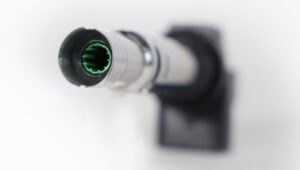

Lambda sensors (commonly referred to as oxygen sensors), play a vital role in the optimisation of fuel-to-air ratios. Lambda sensors measures oxygen content in the exhaust and relay the information back to the ECU to ensure optimal mix is maintained throughout operation for efficient combustion.
All Motaquip lambda sensors are manufactured and fully tested to make sure they meet or exceed OE standards. Each sensor is composed of a stainless-steel shell that reduces rusting and provides greater dependability. The centre ceramic element is composed of Zirconium Oxide, Alumina and Yttrium Oxide. To enhance durability in harsh exhaust environments, a Spinel protective coating is applied over the platinum layer. This acts as a shield against particulate contamination, helping to prolong service life and maintain sensor accuracy.
Common Failure Causes
Faults commonly occur through the following factors:
- Contamination
- Heater element failure due to high temperature exposure
- Electrical issues
Symptoms of a failed Lambda Sensor
Motaquip recommends technicians look out for the following symptom indicators to identify sensor issues:
- Engine Management light illuminated
- Poor fuel efficiency
- Rough engine idle or misfiring
- Sluggish engine performance
Diagnosing the Fault
Faulty lambda sensors can contribute to a range of engine performance concerns. which may be apparent through the following
- Diagnostic code reader to obtain fault codes
- Check the resistance of the internal heater
- Check the power supply to the heater
- Check the condition of the probe element protective tube for signs of damage and contamination
- Inspect the electrical connector for damage and dirt
When a replacement sensor is needed, Motaquip currently offers 112 direct fit and 1 universal lambda sensor, all covered by a 3 year warranty in range.
Click the feature link below to download a copy of this TecTalk.